
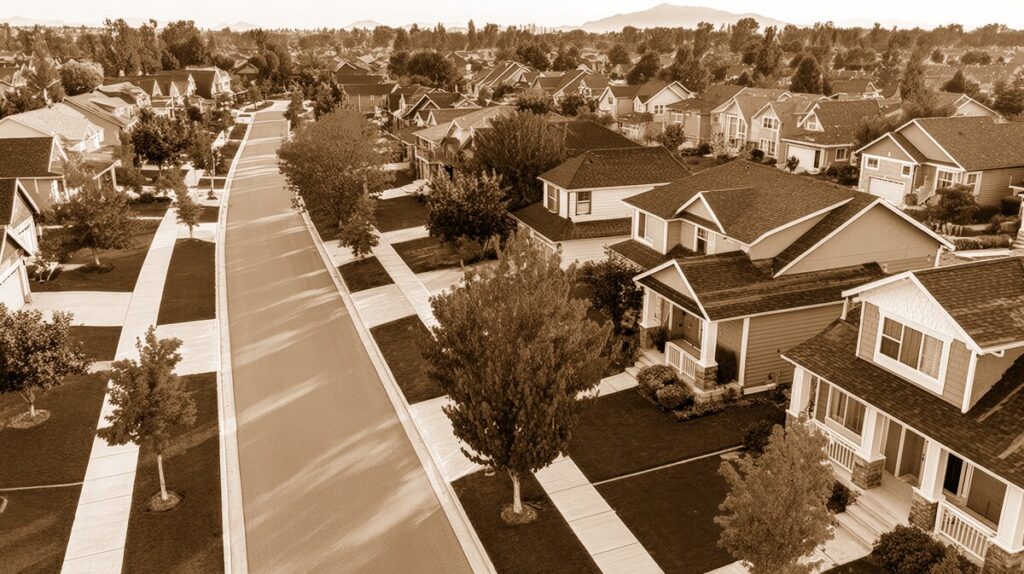
Introduction: A Neighborhood With Roots
Nestled alongside the winding path of the Barren River, the Rivergreen neighborhood stands as one of Bowling Green, KY’s most cherished enclaves—a place where historic character meets the gentle embrace of natural beauty. A stroll through Rivergreen offers more than picturesque streets: it’s a journey through stories, generations, and the enduring spirit of community that has defined this corner of town for over a century.
The Origins: From Riverside Meadows to Rivergreen
Long before it became known as Rivergreen, the land was part of the lush riverside meadows that early settlers in south-central Kentucky prized for their fertility and proximity to the Barren River. By the late 1800s, as Bowling Green prospered as a trading post and rail junction, development began creeping westward from downtown. Local records indicate that the neighborhood first appeared on city maps as “Riverside Green,” referencing both its riverbank setting and the ample green space that characterized the area.
As Bowling Green entered the early 20th century, “Rivergreen” became the popular shorthand, a name capturing both its verdant parks and the peaceful flow of the river. By the 1920s, Rivergreen had transformed into a cohesive community, with a blend of stately homes, family farms, and community gathering spots.
Key Milestones in Rivergreen’s Growth
Like the Barren River that inspired its name, Rivergreen’s history is marked by distinct turns and events that shaped its present form. Some milestones that longtime residents often recall include:
- The Great Bowling Green Flood of 1937: Rivergreen’s low-lying proximity to the river meant it was hit hard during the historic flood. Many homes had to be raised or rebuilt, and the event prompted the city to invest in embankments and improved stormwater management.
- Establishment of Rivergreen Park (1951): The city park on Rivergreen Drive quickly became the heart of the neighborhood. With oak-shaded lawns, a classic gazebo, and a small dock for fishing, Rivergreen Park has hosted everything from summer concerts to family reunions.
- Arrival of Rivergreen Elementary (1964): When Rivergreen Elementary School opened its doors on Elmcrest Avenue, it brought generations of neighborhood children together and fostered a close-knit atmosphere still felt today.
- Historic District Recognition (1989): Portions of Rivergreen, especially the section along Magnolia Lane, were granted local historic district status, preserving architectural treasures from the Victorian and Craftsman era homes that line its streets.
Iconic Streets and Landmarks
One of the joys of living or visiting Rivergreen is the abundance of local landmarks and beloved spaces that define its character:
- Magnolia Lane: Famous for its canopy of mature, blooming magnolia trees and well-preserved Queen Anne homes.
- Rivergreen Park: The community’s green hub, still beloved for annual events like the Rivergreen Picnic and Fourth of July fireworks.
- The Old Mill House on Waterpoint Road: Originally a riverside grain mill, now restored as a living history site and event venue.
- The Riverwalk Path: Added in the early 2000s, the path offers scenic views along the Barren River and links the neighborhood to downtown Bowling Green and the university area.
Evolution and Modern Life
From its earliest days, Rivergreen has balanced tradition with growth. The post-war housing boom of the 1950s and 60s brought sturdy brick ranch homes and new families, while the 1990s ushered in tasteful renovations and renewed interest in restoring vintage properties. Today, you’ll find a blend of families, young professionals, and retirees—many with stories that stretch back generations.
Institutions like Rivergreen Elementary and the Rivergreen Community Center serve as touchstones, while newcomers are quickly welcomed at block parties or the neighborhood’s annual spring garden tour. Efforts by the Rivergreen Heritage Society have ensured that change comes thoughtfully, with respect for the neighborhood’s storied past.
What Makes Rivergreen Special
Ask any Rivergreen resident, and you’ll likely hear stories about:
- Sitting on wide front porches at dusk, listening to the river and the call of whip-poor-wills.
- Children riding bikes beneath the sprawling canopy that shades Sycamore Street.
- Neighbors organizing cleanups along the riverbank or pitching in to plant new flowerbeds in the park.
- Watching generations stroll arm-in-arm at the Rivergreen Harvest Festival.
While new shops and restaurants have popped up on the neighborhood’s edges—especially along Parkwood Avenue—Rivergreen proudly maintains its quiet, friendly character. It’s a community that honors the past while welcoming new faces, and a place where the Barren River’s steady flow mirrors the enduring spirit of its people.
Conclusion: Rivergreen’s Living Heritage
Whether you’re retracing the steps of early settlers, marveling at preserved architecture, or simply relaxing by the water, Rivergreen offers more than just a place to live—it’s a living testament to the heritage and heart of Bowling Green. Through floods, growth, and change, Rivergreen endures as a beloved neighborhood, bound together by its landscape, its history, and the warm connections between neighbors.
If you ever find yourself wandering those leafy lanes, pause and listen. You’ll hear the echoes of the past—and the ongoing story of Rivergreen.